The Quarter-Inch Plot: Building a 1:12 Allotment That Lasts Through a British Winter
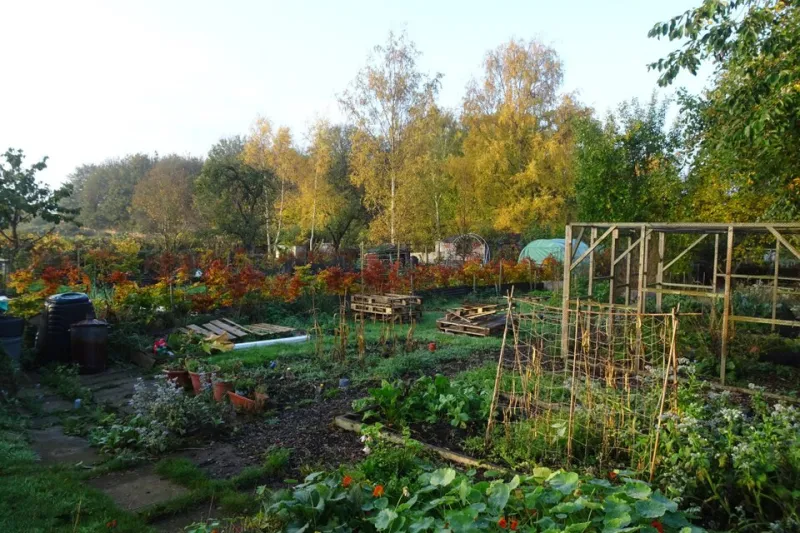
Photo: DS Pugh , CC BY-SA 2.0, via Wikimedia Commons
Every allotment tells a story about patience. There is the waiting list, the committee, the shed that leans a little after a windy March, the flask of tea, the seed swap, the neighbours who always grow better leeks. A 1:12 allotment plot captures all of that in miniature — and it is one of the most satisfying builds you can make because it is part garden, part architecture and part character study.
The good news is that you do not need a huge amount of space or specialist tools. A plot of roughly 30cm by 45cm is enough to suggest a whole allotment, with a shed, three or four raised beds, a tiny greenhouse, a path and a compost bin. The aim is not botanical accuracy. The aim is atmosphere: damp wood, dark soil, winter greens and the sense that someone has been pottering about in a coat.
Planning the Plot
Start with a scale drawing. At 1:12, one inch equals one foot, so a standard allotment shed of about 8ft by 6ft becomes 20cm by 15cm in miniature. That sounds big, but it leaves plenty of room for beds. I usually work with a 30cm by 45cm baseboard cut from 5mm foam board or MDF. Mark out a main path about 2cm wide, then divide the rest into beds. A bed of 8cm by 12cm reads as roughly 8ft by 12ft — generous but believable.
Leave space for a shed at one end and a greenhouse at the other. Put the compost bin near the path, because nobody wants to carry a bucket of peelings across a bed of winter cabbage. Add a water butt beside the shed. These small functional details do more for realism than a dozen perfect vegetables.
Building the Weathered Shed
The shed is the heart of the plot. Start with a simple shell of 2mm foam board or balsa, then clad it in coffee stirrers or thin wooden strips. Cut the strips to slightly different lengths and sand the edges — perfect planks look like a model, not a shed. Stain the wood with diluted acrylic paint in grey-brown, then add a second wash of green-black around the base. When it is dry, rub a little dark wax into the corners.
For the roof, corrugated card or a piece of textured plastic sheet works well. Paint it dark grey, then dry-brush a little rust colour along the ridges. The door should be slightly off-square if you want that authentic allotment lean; a tiny wire hinge and a bead handle finish it off. Add a window made from clear acetate, and a small shelf inside with a mug, a seed tray and a folded newspaper.
Moss is your friend. Crush dried tea leaves and mix them with a little PVA glue, then press the mixture into the corners of the roof and the base of the walls. A few strands of green garden twine make convincing weeds.
Raised Beds and Believable Soil
Raised beds are simple: balsa strip edging, corner posts and a little wood stain. Make them about 2cm high. For the soil, mix dried used tea leaves with a little coffee grounds and fine cork crumbs. Add a drop of dark grey acrylic paint and stir until it looks like damp earth. Press it into the beds, but do not flatten it completely — leave a few lumps and hollows.
Paths can be sanded grout, fine grit or painted card. If you want a muddy look, mix a little brown paint into the grout before it dries. Add a few tiny footprints with the end of a paintbrush handle. It is a small touch, but it makes the plot feel used.
A Tiny Greenhouse
A greenhouse adds a lovely glint to an allotment scene. Build the frame from wire or styrene strips, then glaze it with clear acetate. Do not make it too perfect. Paint the frame with a streaky white-grey wash and leave a few panes slightly cloudy. Add shelves made from mesh or fine wire, and fill them with seed trays cut from blister packs. A tiny terracotta pot and a pencil-sized plant label complete the picture.
If you do not want to build a full greenhouse, a cold frame is quicker and just as charming. A simple wooden box with a sloping acetate lid reads perfectly at this scale.
Winter Veg in Miniature
Winter is where a British allotment really comes into its own. Think leeks standing like soldiers, curly kale, Brussels sprouts on thick stalks, purple sprouting broccoli and fat winter cabbages. These are all easy to make with air-dry clay, paper and wire.
For leeks, roll a cylinder of pale clay and add a fan of green paper or clay leaves at the top. Kale is a wire stem with ruffled paper leaves; paint them dark green and add a little grey wash. Brussels sprouts are tiny clay balls pressed onto a wire stalk. Purple sprouting broccoli is a cluster of small clay florets on a green stem. Winter cabbage is layered paper or thin clay, painted pale green with darker veins.
Push the stems into the soil while it is still slightly tacky, then leave everything to dry. A few bare twiggy sticks — real twigs, trimmed to scale — suggest dormant fruit bushes. Add a tiny compost heap and a folded tarpaulin made from painted tissue paper.
A 2026 Calendar for Autumn and Winter Displays
You can build your plot at any time of year, but if you want it to reflect the season, use this simple guide.
| Month | What to build or add |
|---|---|
| September 2026 | Harvest scenes: tiny marrows, runner beans, tomatoes. Start the leeks and kale. |
| October 2026 | Add Brussels sprouts and winter cabbage. Put a pumpkin by the shed door. |
| November 2026 | Frost effect: brush white paint on leaf edges. Add leaf mulch and bare branches. |
| December 2026 | Winter plot: leeks, kale, sprouts, a tiny Christmas wreath on the shed door. |
| January 2027 | Quiet plot: bare beds, a compost heap, a seed catalogue on the shed shelf. |
For real-world inspiration, remember that garlic goes in around October, broad beans can go in from November, and winter salad can be sown under cover. You do not need to model every crop — a few well-made plants will suggest the whole plot.
Display and Aftercare
Once your plot is finished, keep it out of direct sunlight and dust it with a soft brush. If you are displaying it at a model club or a local show, add a small card label with the plot number and the allotment association name. It is a tiny detail that makes people smile.
The best 1:12 allotments feel lived-in rather than pristine. Leave a fork stuck in a bed. Let a few weeds appear in the path. Put a mug on the shed windowsill. That is the British allotment spirit: practical, patient and quietly full of life.