Wheels, Lids and a Half-Open Gate: Staging a Believable 1:12 Bin Day
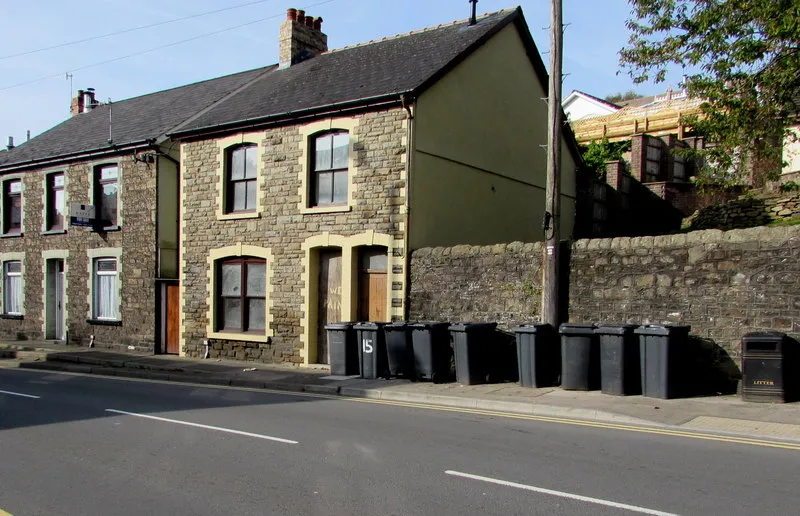
Photo: Jaggery , CC BY-SA 2.0, via Wikimedia Commons
There is a particular sound to a British Tuesday morning: the low rumble of a lorry, the clatter of plastic lids, and the sincere panic of someone running down a path in slippers because they have misjudged the schedule. Bin day is municipal admin, street theatre and neighbourly gossip all at once. At one-twelfth scale, it is also one of the quickest ways to make a dollhouse stop looking like a display and start looking like a home.
Start with the street, not the bin
A single wheelie bin standing neatly by a front door says nothing. Three bins at slightly different angles, one lid not quite shut, a recycling box with a tin can poking out and a gate left ajar says a family lives here and Tuesday has happened to them. Before you build anything, decide on the story of your kerbside. Is it 7:42am, with bins out and nobody dressed? Is it 2:15pm, with empty bins returned and one lonely box forgotten? Pick a moment. The props will follow.
The wheelie bin: scuffs, stickers and a stubborn lid
For a 1:12 wheelie bin, start with a simple box carcass in 1mm plastic card or styrene. The proportions matter more than perfect detail: a domestic bin is roughly 1,070mm tall, 580mm wide and 740mm deep in real life, which translates to about 89mm by 48mm by 62mm at one-twelfth. Round the top edges slightly. A bin with razor-sharp corners reads as a prop; a bin with softened edges reads as something that has been dragged to the kerb a thousand times.
The lid is the character. Give it a hinge made from a short length of brass tube or fine wire, and do not make it close perfectly. A tiny warp, a smear of dark paint inside the rim or a sliver of plastic bag trapped at the edge all suggest use. Handles can be bent from 1mm wire or carved from styrene strip. Add wheels from tiny beads, watch parts or discs punched from plastic card. They do not need to turn. They need to look like they have been through a British winter.
Weathering is where the bin earns its keep. Dust the lower third with grey-brown pigment. Add a few vertical streaks under the lid hinge. Scuff the front edge where it has been wheeled over gravel. A small sticker, a council crest or a faded house number is a lovely touch, but keep it subtle. Real bins are not covered in miniature signage; they are covered in grime and the ghost of old labels.
Boxes, caddies and the tied bag
Recycling boxes are easy to make from thin plastic packaging, cut and scored into a shallow tray. Give the sides a slight outward lean and add a couple of paper labels. Fill them with tiny flattened cereal boxes, rinsed tins made from silver foil and a few rolled paper tubes. The trick is not to overfill. A box with one tin, a folded newspaper and a jam jar feels more honest than a perfect grid of identical items.
A food-waste caddy is a small joy. Build a lidded tub about 20mm tall, add a handle and line it with a scrap of compostable-looking paper. A tied bin bag can be made from a scrap of thin bin liner, gathered around a tiny knot and softened with a little talcum powder. Place it beside the caddy, not inside it, because someone always leaves the bag out.
The gate, the slippers and the 7:42 rush
This is the detail that sells the scene. A front gate left half-open, hinged with a pin so it stays where you put it, suggests someone has just been through it. A pair of slippers by the door, a dressing gown hook or a Newspaper folded on the step all add to the story. You do not need a figure. The evidence of a person is often stronger than a person themselves.
If you want to go further, add a small note on the gate: a scrap of paper with a neighbour's house number, or a reminder to put the bin out. Keep it handwritten and slightly wonky. Perfect handwriting belongs in an office, not on a Tuesday morning doorstep.
Weathering a municipal Tuesday
British bin day has its own palette: grey plastic, faded blue, dull green, the orange of a recycling sack and the white of a tied carrier bag. Avoid making everything too clean. Use pastel dust, pigment and a little matte varnish to knock back the shine. A thin wash of brown in the crevices of the bin lid will do more than a dozen perfect decals.
Finally, place your bins with intention. The wheelie bin should be closest to the kerb, angled slightly. The recycling boxes should sit beside it, not perfectly aligned. The food caddy should be slightly behind, as if it was added last. Leave a gap where the lorry has already been, or a box that has been missed. That small failure is what makes the scene feel real.
Why the ordinary stuff matters
At One Twelfth Scale, we talk a lot about skirting boards, picture rails and the way a British terrace makes a better build than a country house. Bin day belongs in that same conversation. It is not pretty, but it is specific. It tells you about councils, recycling rules, narrow pavements and the quiet choreography of neighbours who all put their bins out at slightly different times.
A dollhouse can survive without a bin. It cannot survive without evidence of life. And nothing says life quite like a wheelie bin with a stubborn lid, a recycling box with one tin left in it and a gate that nobody quite closed.